
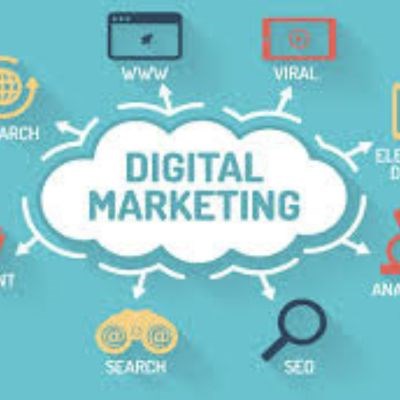
In today’s digital landscape, businesses rely on various techniques to reach and engage their target audience. One crucial aspect of a digital marketing strategy is online tracking, which helps marketers collect user data, analyze behavior, and deliver personalized experiences.
1. What is Online Tracking?
Online tracking refers to the practice of monitoring user activity across websites and digital platforms. Businesses use tracking technologies to understand customer preferences, optimize campaigns, and enhance user experiences.
2. Key Tracking Techniques in Digital Marketing
Cookies & Web Beacons
Cookies store user data, while web beacons track online behavior, enabling businesses to deliver personalized ads.
Pixel Tracking
Marketing pixels track user interactions, providing insights into ad performance and conversion rates.
UTM Parameters
UTM codes help track the effectiveness of different marketing channels and campaigns.
3. Popular Online Tracking Tools
Google Analytics
Google Analytics provides in-depth insights into website traffic, user demographics, and engagement.
Facebook Pixel
This tool helps businesses track conversions and optimize Facebook ad targeting.
Heatmap Tools (Hotjar, Crazy Egg)
Heatmaps show how users interact with a website, highlighting areas for improvement.
4. Privacy Concerns & Compliance
While online tracking is beneficial, businesses must ensure compliance with data privacy laws such as GDPR and CCPA. Implementing transparent policies and user consent mechanisms is essential.
Final Thoughts
A well-planned digital marketing strategy involves leveraging online tracking to optimize campaigns while respecting user privacy. By using the right tracking techniques and tools, businesses can enhance their marketing efforts and deliver more relevant experiences to their audience


Leave Comment
1 Comments